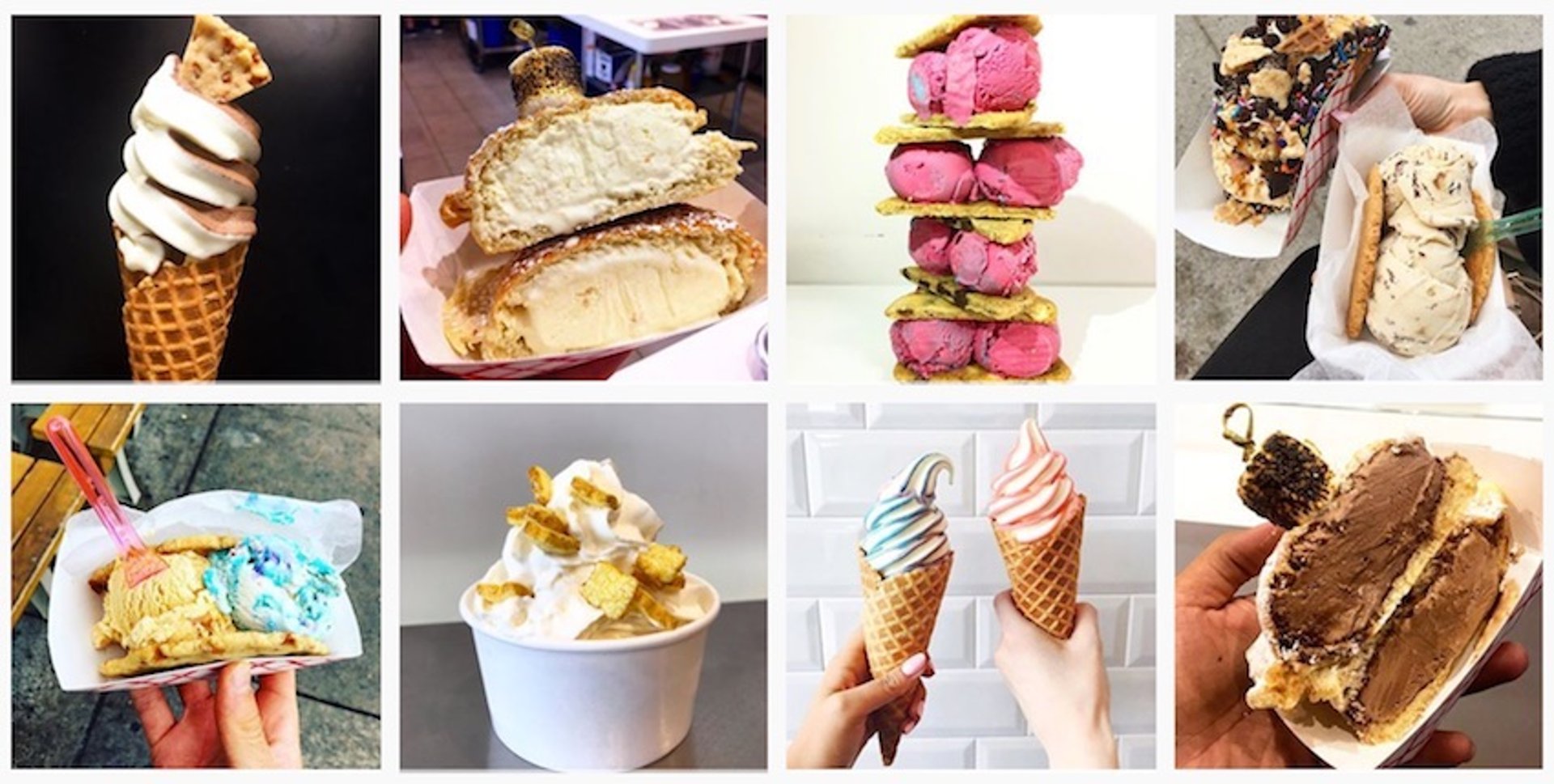

Summary - Every business relies on KPIs to grow, including seasonal ice cream shops. Learn how Booyah Inc. used social media metrics and operational KPIs to build a loyal customer base and achieve viral success.
Every business tracks KPIs whether they realise it or not. Restaurants, retail shops, growing companies, and global enterprises all steer their direction based on key performance indicators. The challenge isn't whether you're tracking them—it's whether you're tracking the right ones and acting on what they tell you.
The relationship between KPIs and growing businesses is particularly interesting. Many are still finding their product-market fit while running lean operations. Yet the most successful ones know that strong KPI discipline strengthens everything else. It's entirely possible to have a firm grasp of your KPIs while keeping the wheels of your business spinning.
To show how this works beyond the typical office setting, let's look at an unexpected example: a Toronto-based ice cream shop that used KPIs to grow from a seasonal side project into a viral sensation.
Meet Booyah Inc.
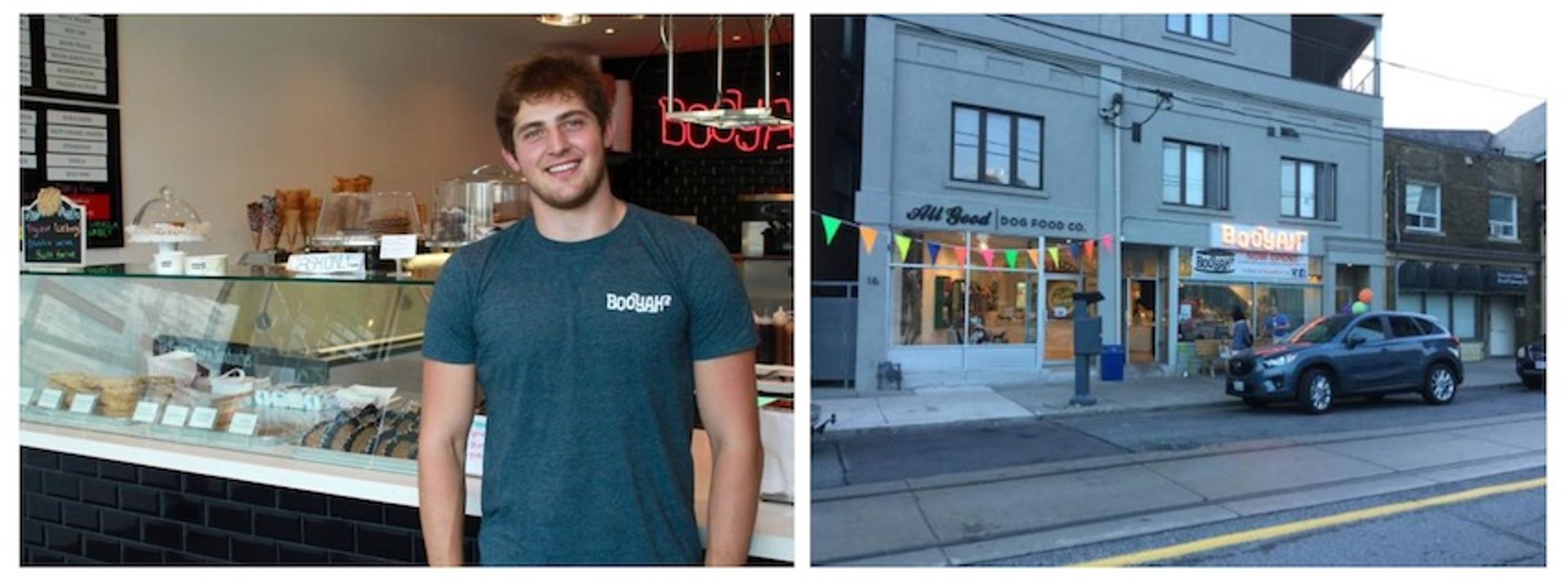
Booyah Inc. is a Toronto-based ice cream shop located at Bathurst and St. Clair in midtown Toronto. It's not Ben and Jerry's—not yet anyway—but this growing shop has built a loyal customer base and attracts tourists from across the Toronto area.
Owned and operated by Blair Mincer and family, Booyah is a seasonal operation running April through October. In just three seasons, their success proves that even something as simple as ice cream relies on deliberate KPI tracking. While word-of-mouth has been critical, social media has been equally important. With no paid advertising, Booyah has relied entirely on organic social reach to build their name.
Social media KPIs: How a viral moment starts
If you've watched someone photograph their food before eating it, you know the power of food and social media. For many growing businesses in the food industry, social media isn't optional—it's everything. When budgets are tight, why pay for advertising when customers are already taking photos and sharing them?
When Booyah introduced their ice cream taco, it went viral. Local blogs picked it up first, then the phenomenon spread to international media. Insider Food published a video that gathered 3.1 million views and over 25,000 shares on Facebook alone.
This ice cream is in a waffle taco.
Overnight, millions of people knew about a small ice cream business in Toronto. While luck played a role, the real story is that Booyah had been steadily growing its Instagram presence in a way few businesses understand. They didn't get lucky—they built the foundation for luck to strike.
Instagram KPIs: Strategic focus beats scattered effort
Rather than spreading themselves thin across every social platform, Booyah strategically focused on Instagram. This year, they partnered with SY5 Wi-Fi to install an analogue counter device connected to Instagram.
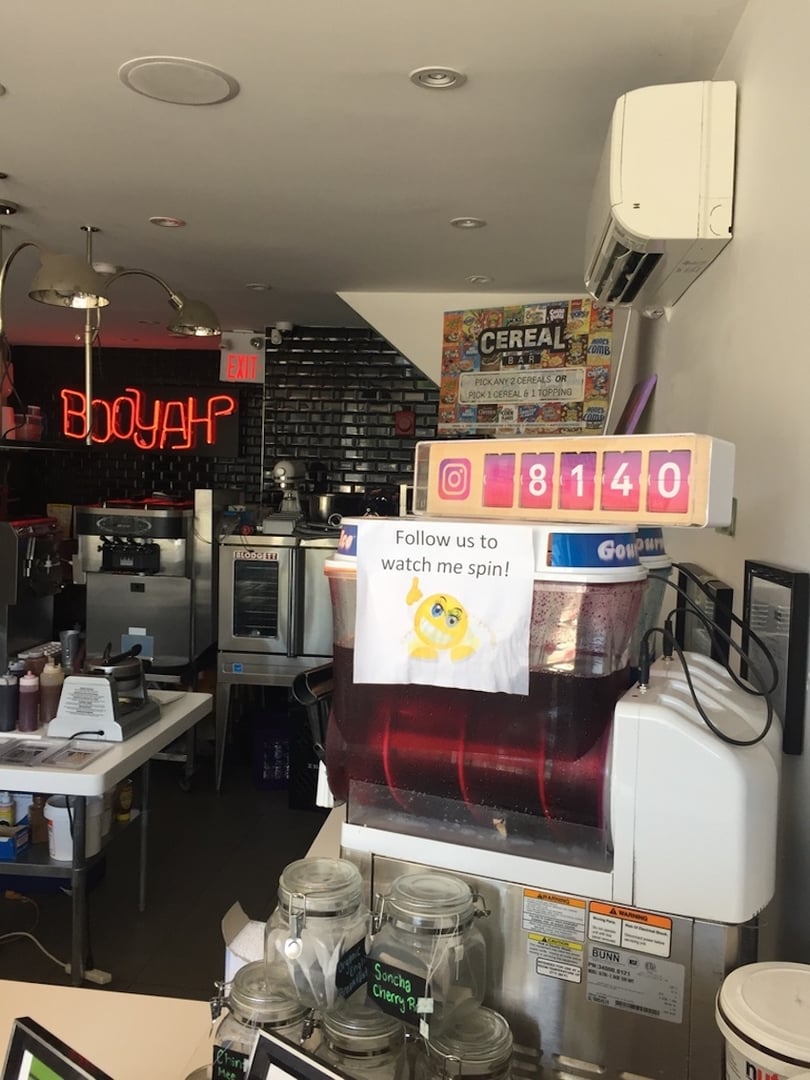
The device connects to the store's WiFi and allows customers to link their Instagram accounts to access it. Beyond the customer convenience, this tracker lets Booyah monitor critical KPIs in real time:
- Number of followers
- Number of WiFi users
- Number of emails captured through WiFi
This reveals something most businesses miss: many KPIs are ones customers want to participate in. In the restaurant business today, customers arrive because they saw a post online or heard from a friend. Marketing has evolved. Small businesses like Booyah fuse the best of traditional brick-and-mortar with digital technology.
How many Instagram posts per week feature your business is a crucial KPI. Most of Booyah's Instagram photos are actually customer-tagged images or direct messages they've been sent. Customers become part of the marketing engine.
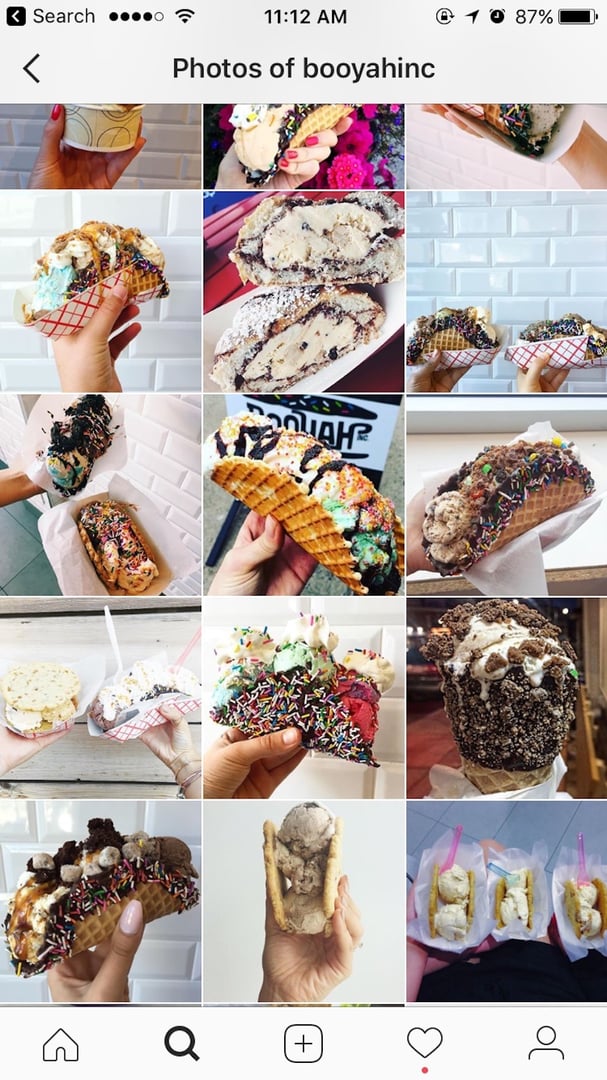
Booyah's viral video didn't happen because they chose the right channel alone. It happened because they chose the right channel and worked diligently to drive growth on the Instagram KPIs that mattered most. Their Instagram growth built their local business, which created the early waves of coverage that eventually led to global reach.
Here's the takeaway: marketing KPIs aren't just about tracking spend. Too often they're dismissed as purely financial metrics. For Booyah, KPIs like Instagram followers, WiFi users, and captured emails are just as important as the operational costs of serving ice cream. They drive the business forward.
Beyond social: Operational KPIs that matter
But Booyah didn't stop at social media. They also tracked critical operational KPIs:
- Top menu items
- Ice cream melting rate
- Flavour profile
Top menu items KPI
Continuously updating your menu is critical in the food industry. Trends shift constantly. While Booyah commits to adding a seasonal special, keeping track of bestselling items remains a vital KPI.
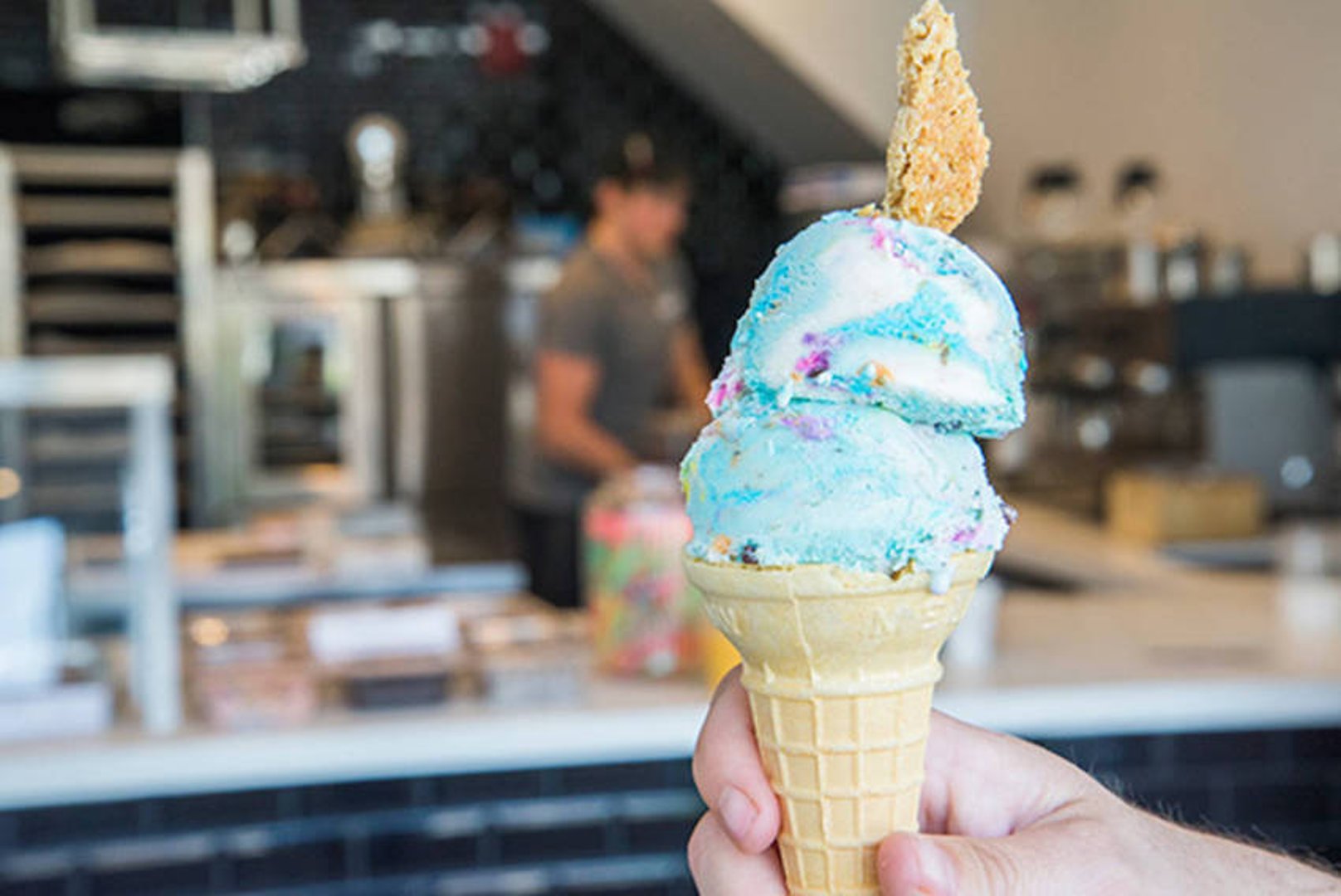
For Booyah, the consistent bestsellers are traditional cups and cones—the staples. While these might seem boring to trend-hunting customers, Blair knows that everyone coming in should find exactly what they want, whether that's a classic cone or an experimental creation. Understanding which items drive consistent revenue helps him balance innovation with reliability.
Ice cream melting rate KPI
This year, Booyah started making their own ice cream. Blair taught himself the chemistry of cream and sugar and the ideal production process for a small operation. Everything from production to service affects the final moment when ice cream reaches a customer's hands.
Texture and consistency are crucial because they impact consumption. If one detail in the formula is slightly off, the melting rate could disappoint customers. Blair tracks melting rate across different environments—including hot summer days—and monitors typical consumption times. This ensures customers enjoy the product as intended, even on the warmest days.
Flavour profile KPI
After serving enough cones, you develop intuition about what customers want. Booyah's customer base ranges from kids and grandparents to dogs enjoying dairy-free soft serve on hot days. Understanding customers is key to their success.
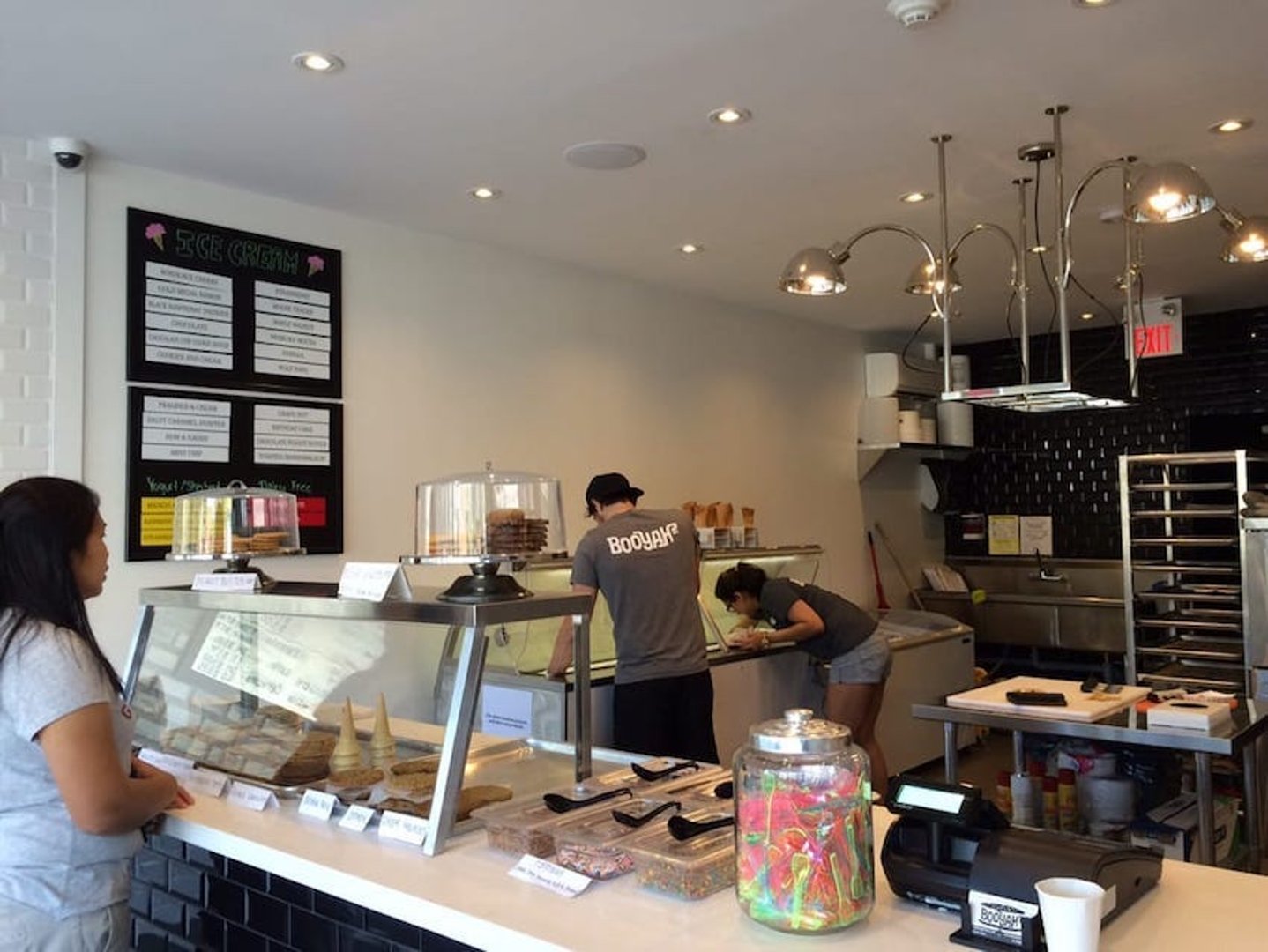
Blair knows his regulars by name and order. For new customers, he flavour-profiles moments into the interaction—asking what they like before suggesting options. This KPI becomes crucial when selecting from 28 flavours, and will matter even more as Booyah moves toward in-house manufacturing.
Personal preference takes a back seat to customer preference. When flavours are understood categorically through this KPI, Blair increases the likelihood that customers find exactly what they want. Ask for Cookies 'n Cream, and he might surprise you with his homemade Campfire instead.
What Booyah teaches us about KPIs
A KPI is simply any measurable aspect of your business that shows how effectively you're achieving key objectives. It's not about people crunching numbers in a stuffy office—it's about understanding what drives your business forward.
Booyah aims to be both the friendly neighbourhood shop and the destination for foodies seeking the next big thing. Striking that balance while acting on KPIs is how Blair and his family grow their business. They didn't become a viral sensation by accident. They built the discipline, tracked what mattered, and positioned themselves to succeed when opportunity arrived.
Whether you run an ice cream shop or a growing professional services firm, the principle is the same: identify your key metrics, track them consistently, and let the data guide your decisions. That's how small businesses become something bigger.
Related Articles
Business Metrics vs. KPIs: What’s the Difference?
By Jonathan Taylor — March 13th, 2026
The 5 most important SEO KPIs for digital marketing success
By Sanket Patel — February 24th, 2026
What is a KPI, metric, or measure?
By Jonathan Taylor — January 20th, 2026