
Summary - Running a side hustle is different than managing a traditional business. Learn which side hustle metrics matter most and how to track them for sustainable success.
What's your side hustle?
From freelance consulting to e-commerce stores and crafting done on weekends, side hustles are everywhere. In fact, about four in 10 Americans now have a side job, according to a Bankrate.com study. The average side hustler brings in approximately $8,000 annually.
But just because you're running it "on the side" doesn't mean you can skip choosing the right measurement metrics. The metrics you track will determine whether your side hustle succeeds or becomes a drain on your time and energy. This post explores side hustle metrics so you can choose the ones that align with your goals.
What makes side hustle metrics different
You can't simply copy standard business metrics into your side hustle. Your side hustle operates under completely different constraints and motivations than traditional businesses.
Money is often the primary driver, but it's rarely the only one. Some people pursue side hustles to build skills in new areas. Others want extra revenue to reinvest in projects or products they enjoy making. These goals differ fundamentally from most businesses, where profit and revenue dominate decision-making.
Even when earning extra cash is the goal, the considerations change dramatically. Most side hustles lack access to credit, so they must operate on a cost-recovery basis with a short-term focus. You can't go into debt hoping to achieve profitability years down the road. This reality means standard business metrics simply don't apply to side hustles.
What to consider when setting up side hustle metrics
Remember the reason you started
Your original motivation is essential to setting up meaningful metrics.
If you're selling crafts you make on weekends, profit might not matter to you at all. If you're hoping to eventually launch a full-time business and leave your day job, profit becomes critical. You need to clearly define your reason for building your side hustle before you set any metrics. This clarity prevents you from chasing the wrong goals and burning out.
Time is essential
Time becomes even more precious when your side hustle competes with your day job, family, and rest. If you're devoting significant hours to your side hustle but not getting good returns in satisfaction, income, or progress toward your career goals, you need to reconsider your business model. Tracking time investment helps you spot inefficiencies early.
Consider your costs
Your side hustle's margins likely depend on keeping costs minimal. You're not managing a multi-million-dollar company with cash reserves or access to loans. A sudden spike in expenses can transform an easy income source into a financial burden.
The ideal side hustle—especially if revenue is your main goal—runs with minimal overhead and relies on equipment and expertise you already possess. Monitor your costs closely and build in safeguards against unexpected increases.
Motivation is key
Running a side hustle requires a different mindset than a traditional job. Whatever motivates you—whether it's extra money or the chance to sell something you've created—you need sufficient supply of that motivation to sustain effort. Measure your motivation properly so you can spot when it's fading before burnout sets in.
Burnout is real
Side hustles often demand extra hours on weekends, evenings, and early mornings—the times most people reserve for rest. This schedule is unsustainable without proper planning. Side hustle burnout is real and common. Staying fresh requires intentional effort, which is why burnout prevention should inform your metrics from the start.
Side hustle metrics worth considering
Not every metric below will suit your situation. But each one can spark ideas for tracking what matters most to you when setting up your key performance indicators (KPIs) or objectives and key results (OKRs).
Return on hours spent
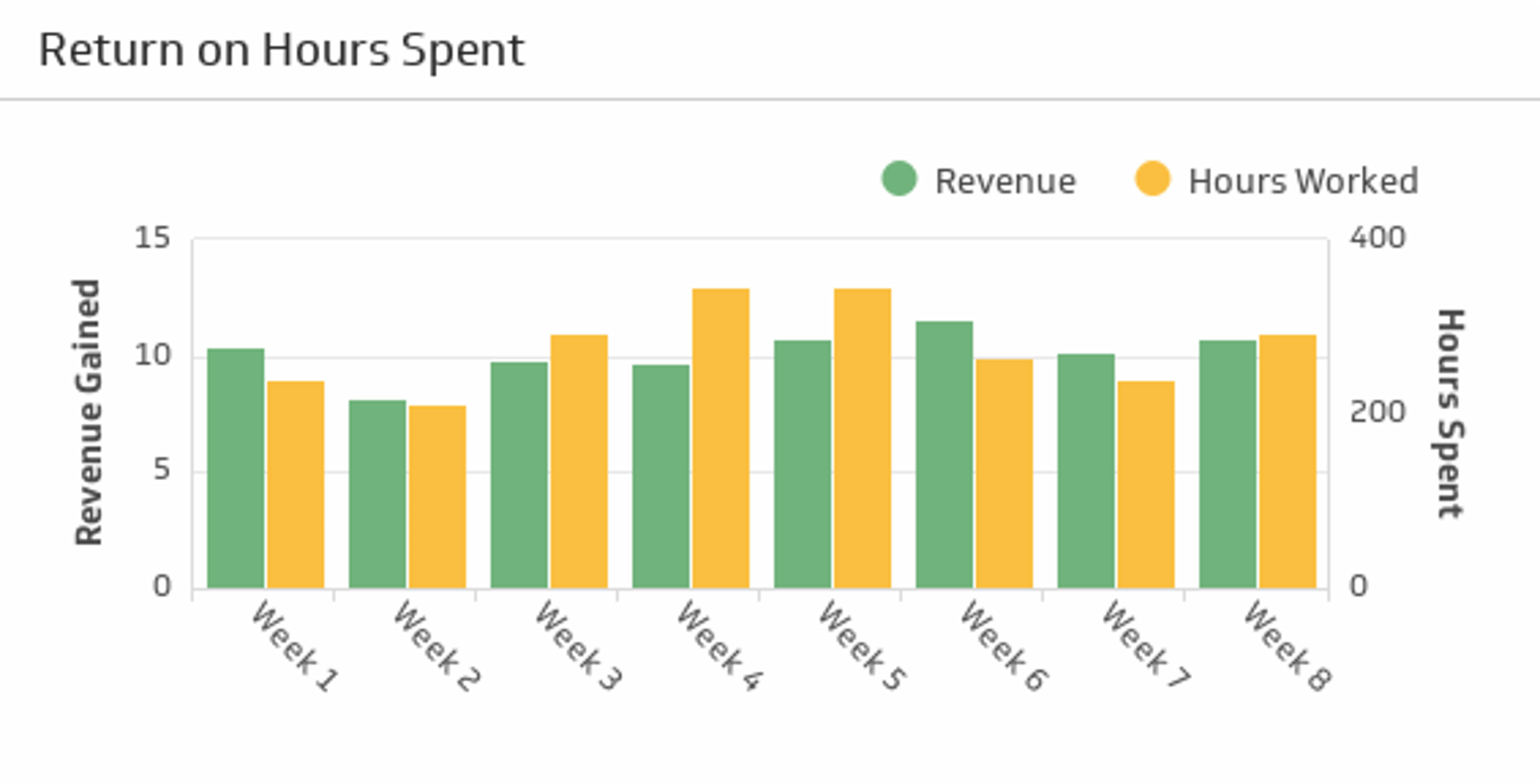
This metric measures how much you gain from the time you invest in your side hustle. That return could be money, items sold, or growth if you're building toward a full-time business.
Track this metric to ensure all those hours are worth your effort. If you're devoting significant time but not seeing results aligned with your goal, it's time to pivot.
For example, if your goal is passive income, an e-commerce store using dropshipping becomes attractive. A dropshipping partner handles shipping and manufacturing while you focus on offering compelling products at a profitable markup. This model delivers better returns on hours spent than labour-intensive alternatives.
Percentage of billable vs. non-billable hours
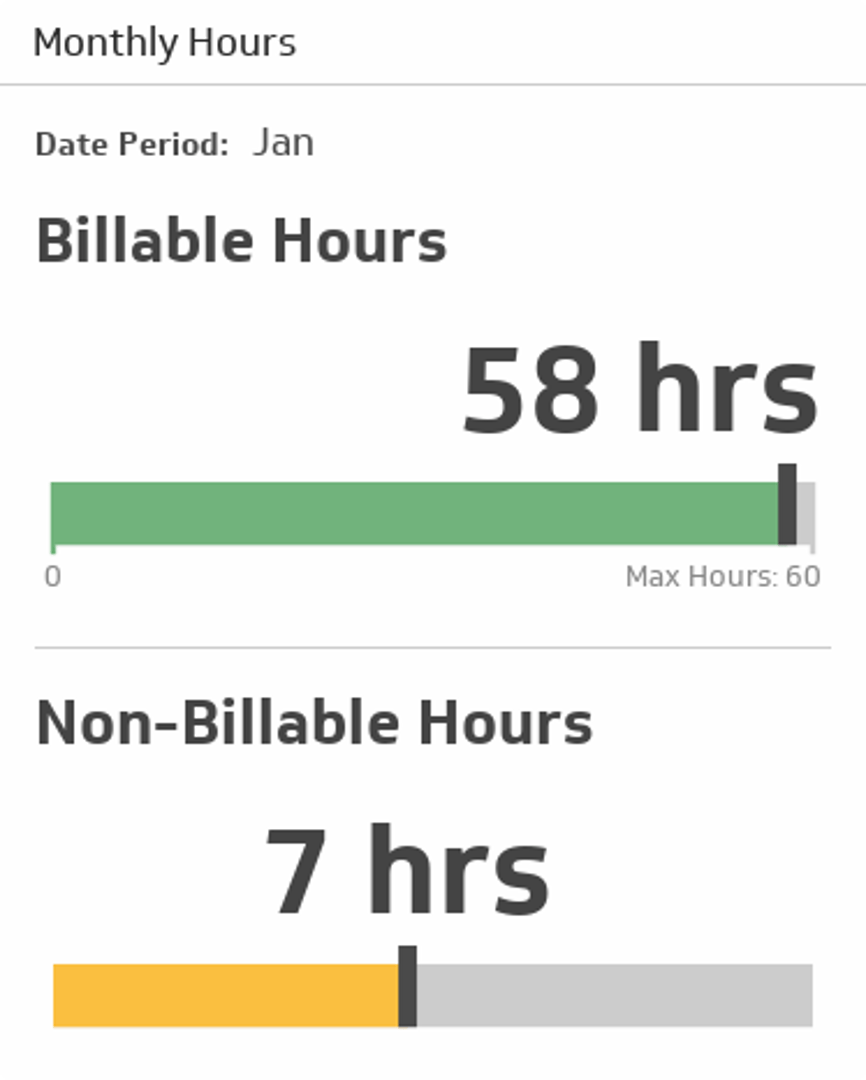
Freelancers only earn income for billable hours—the time spent delivering work to paying clients. They don't get paid for recruiting clients, marketing, or administrative tasks like invoicing and taxes.
Track the percentage of billable versus non-billable hours to understand your true efficiency. If you're spending too much time on non-billable work, you either need to increase revenue or find a more efficient business model. This metric reveals hidden productivity drains that kill profitability.
Profit as a percentage of overall revenue
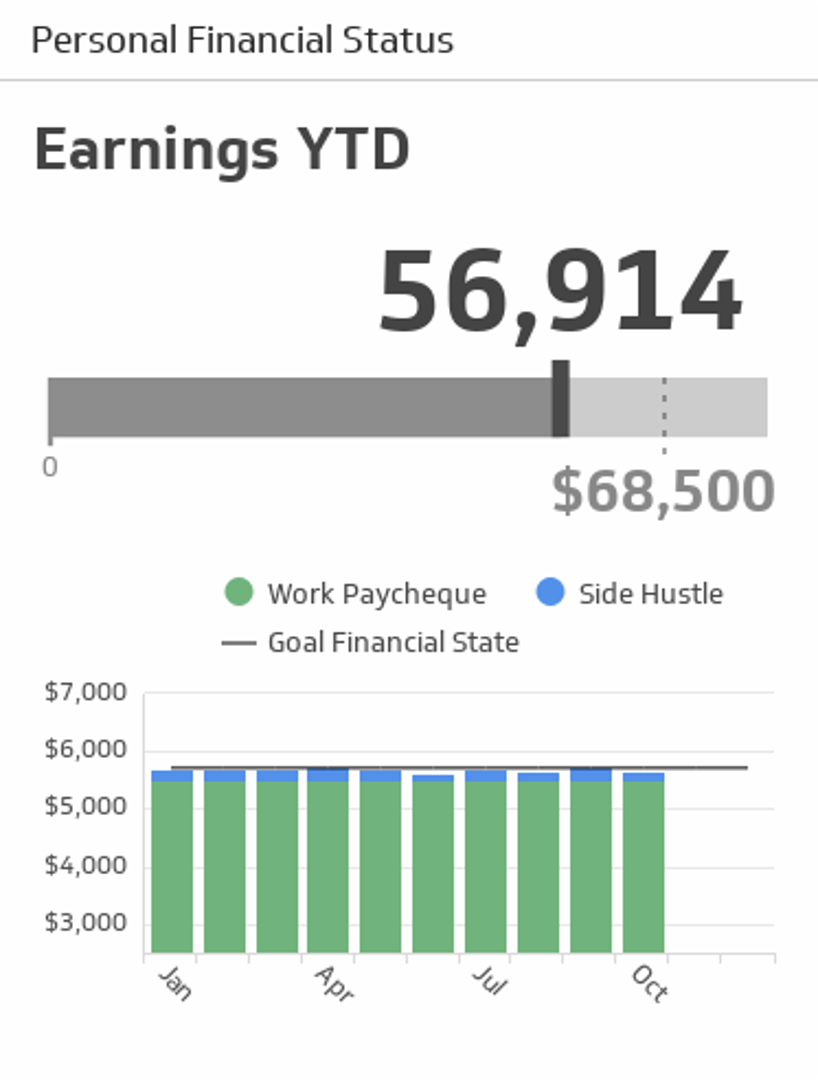
This metric matters most if money is your primary motivation. Knowing your profit margin shows whether your side hustle is actually improving your financial situation.
If you're exhausting yourself bringing in extra revenue but seeing minimal impact on your financial goals, it's time to reassess your strategy. A high-revenue, low-profit side hustle can be worse than no side hustle at all.
Passive income earned
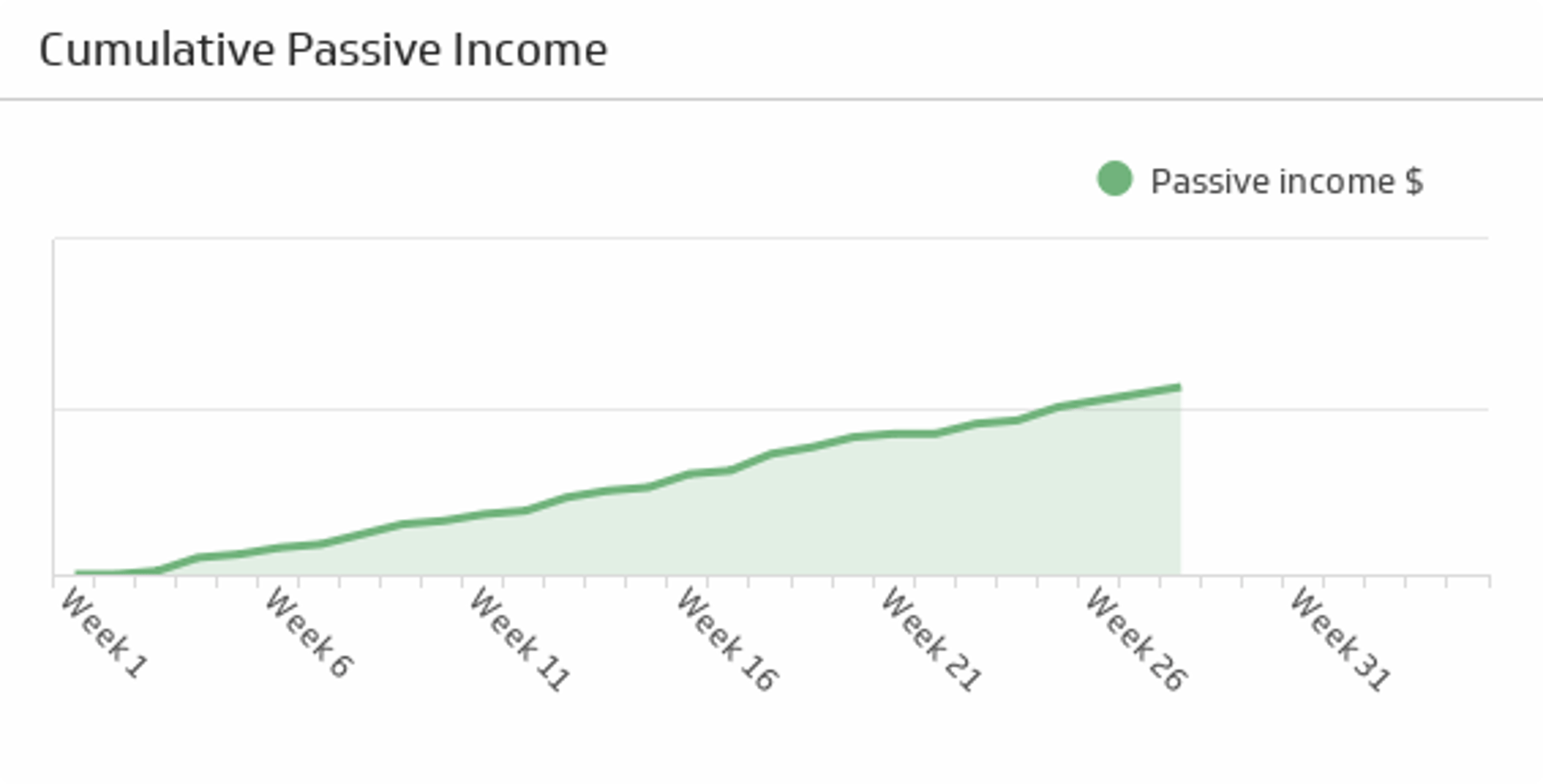
Some side hustles generate passive income—earnings that continue with minimal ongoing effort after the initial setup. If your goal is maximum income with minimum effort, growing passive income should be your focus.
E-commerce stores using dropshipping exemplify passive income models. So do rental properties. However, be realistic: dropshipping stores still require setup, troubleshooting, and maintenance. Rental property owners spend significant time managing properties, finding tenants, and handling legal compliance. No side hustle is entirely passive.
How to track side hustle metrics effectively
Once you've chosen your metrics, you need a system to monitor them consistently. Spreadsheets work for simple tracking, but they become unwieldy as your side hustle grows. Consider using dedicated dashboarding tools that automatically pull data from your business platforms—whether that's your e-commerce store, invoicing software, or bank account.
Visualizing your metrics through charts and gauges makes trends obvious at a glance. You'll spot declining profitability, shrinking billable hours, or rising costs before they become serious problems. Regular review—weekly or monthly—keeps your side hustle aligned with your goals.
Conclusion
Side hustles can be fulfilling labours of love, a reliable source of extra income, or a stepping stone to your dream business. But without proper planning and measurement, they quickly become a drain on your passion and bank account.
By adopting the right metrics and reviewing them consistently, you ensure your side hustle is set up for success. Your metrics should reflect your unique goals and constraints, not generic business benchmarks. Start tracking today, and watch your side hustle thrive.
Related Articles

5 tips to understand (and organize) your restaurant data
By Saleem Khatri — June 9th, 2026
10 Cloud BI Dashboard Tools for Small Businesses in 2026
6 dashboards I use daily to run my SaaS company
By Allan Wille, Co-Founder — April 10th, 2026